How do we plan and deliver a REZ?
Delivering a Renewable Energy Zone (REZ) is a complex process that involves careful planning, consultation and coordination. While the steps shown below represent the typical stages involved in planning and delivering a REZ in NSW, they can vary depending on the specific needs of each project and location.
The NSW Government begins planning for clean energy as coal-fired power stations age, unlocking solar and wind by upgrading the grid and moving towards renewables.
The NSW Government creates the NSW Electricity Infrastructure Roadmap, setting out how to transition to renewable energy, while keeping power secure and prices stable for homes, businesses and industry.
The NSW Government declares a Renewable Energy Zone (REZ) to deliver clean, affordable energy and appoints EnergyCo as the NSW Government authority responsible for developing the REZ and new energy infrastructure, including the New England REZ.
EnergyCo is appointed the NSW Government authority responsible for developing REZs and new energy infrastructure, including the New England REZ.
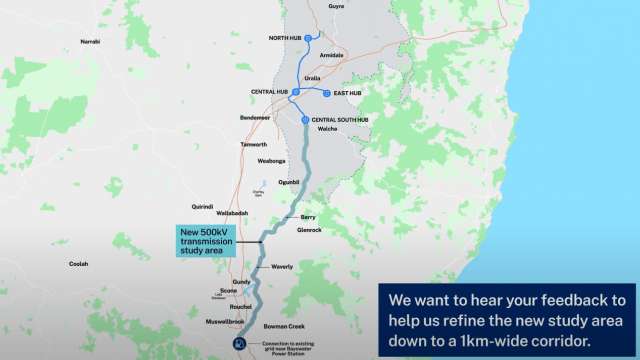
Planning the energy network begins, balancing technical design, cost, environmental and community impacts, through a detailed route selection and assessment process.
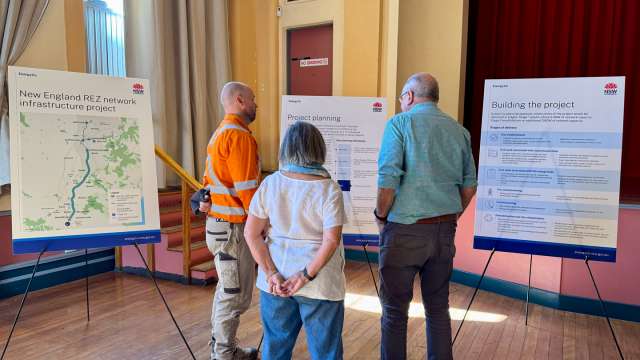
EnergyCo begins thorough and ongoing consultation with landowners, community and stakeholders – all critical to planning and shaping NSW’s energy network.
EnergyCo works with generators to make sure the REZs are planned carefully and fit for purpose. Generators are private developers who plan, build and operate wind, solar and battery renewable projects in the REZ.
The project is declared Critical State Significant Infrastructure – essential for keeping the lights on across NSW for generations to come.
A scoping report is prepared, including a preferred study corridor, marking the first major step in the environmental assessment and planning approval process.
The Department of Planning, Housing and Infrastructure issues the requirements for EnergyCo must address in an environmental impact statement.
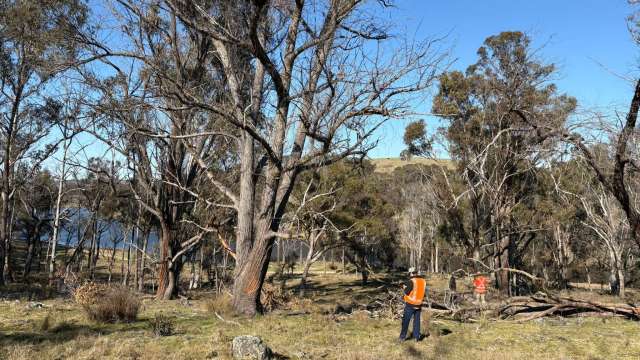
Field work and studies are carried out to assess the project and its potential impacts as the environmental impact statement is developed.
A procurement process is launched by EnergyCo for a network operator who will design, construct, finance, operate and maintain the critical infrastructure that will connect the REZ to NSW homes and businesses.
The environmental impact statement is displayed for community feedback. This includes a 250m-wide corridor alignment.
A report is prepared addressing feedback received regarding the environmental impact statement.
The REZ receives state and commonwealth planning approvals.
Construction of the REZ begins and if needed, is delivered in stages.
Generation projects, such as wind, solar and battery renewable projects, progressively join the grid as they receive planning approval and gain access.
Landowners hosting infrastructure such as power lines will be provided with a stable source of income, helping build financial resilience so regional communities can grow into the future.
EnergyCo secures NSW’s energy future by planning to close three of our four remaining coal-fired generators by 2033.
What will the New England REZ look like?
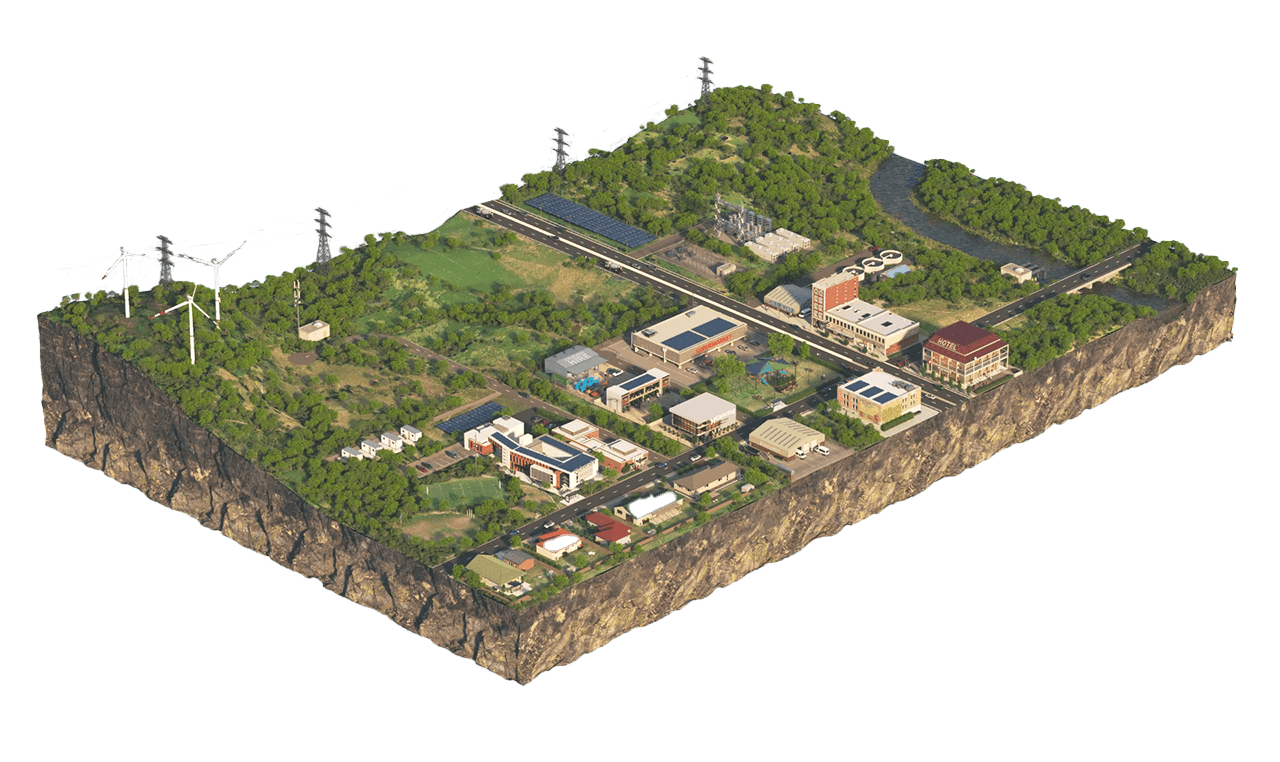
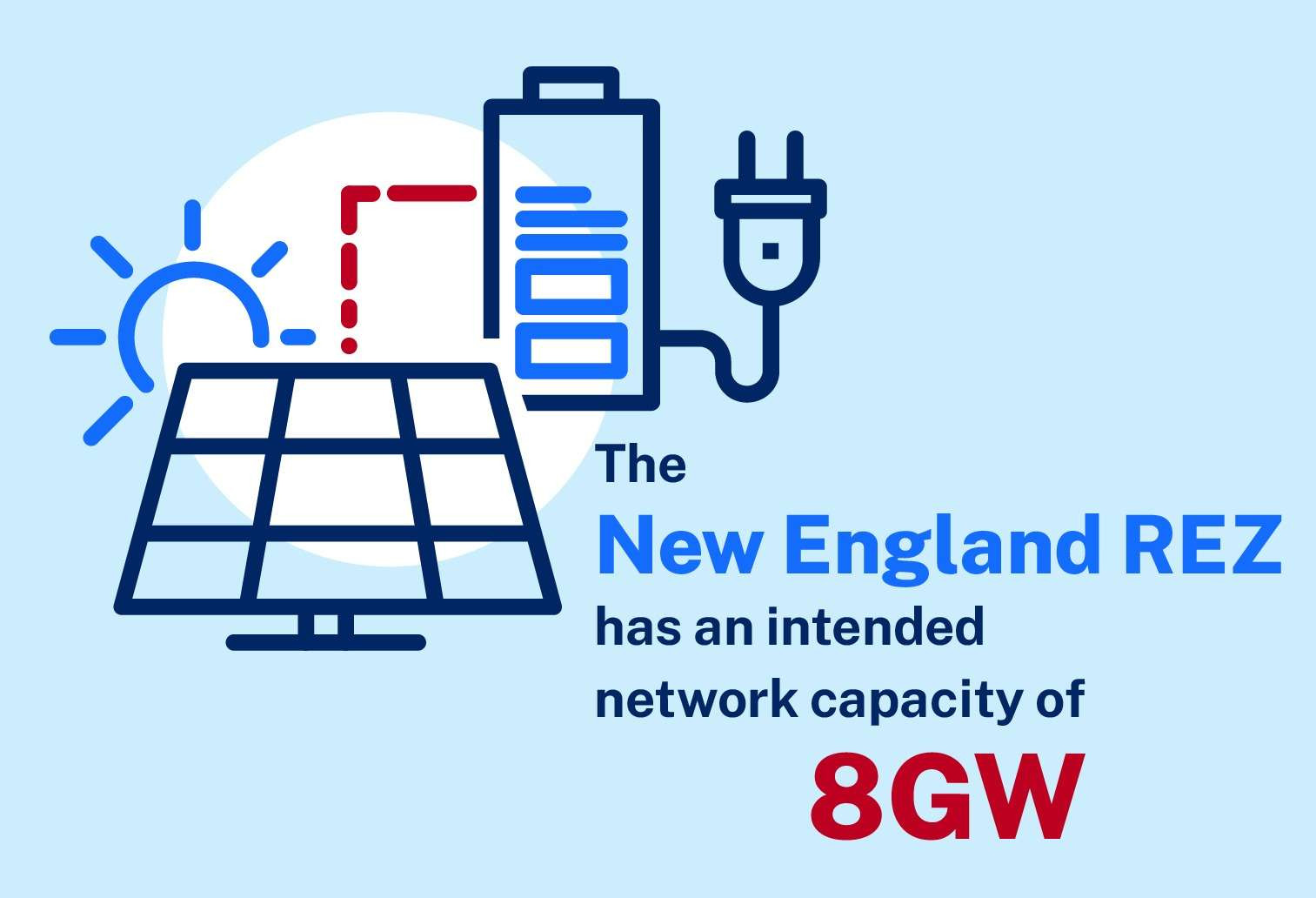
The Renewable Energy Zone (REZ) in the New England region will bring together renewable energy generation such as wind and solar, storage like batteries and pumped hydro, as well as high-voltage poles and wires, to deliver energy to homes and businesses.
Supporting infrastructure for the network will also be needed, and may include road upgrades, temporary workforce accommodation, construction and maintenance sites.

Why the New England region?
New England has some of the best natural energy resources in the country and is located across the major NSW–Queensland energy network.
The region’s large population centres, such as Armidale and Tamworth, are ideal for hosting future industries, new green technologies and supporting the energy transition.
Regional investment and community benefits
The transition to renewables will bring long-term investment to the region, supporting local jobs, services and infrastructure.
This includes the establishment of a Community and Employment Benefit Program, which will provide funding for local projects to ensure the economic benefits of the REZ extend beyond energy generation.